Moving to Madrid is an increasingly common choice among international professionals, entrepreneurs, and remote workers. The Spanish capital offers a combination of job opportunities, quality of life, a vibrant cultural scene, and a strategic location within Europe.
However, starting a new chapter in another country always raises questions: where to live, what paperwork needs to be done, how much the cost of living is, or what type of housing to choose upon arrival.
In this guide for expats moving to Madrid, you’ll find everything you need to know to organize your arrival in the city and adapt more easily during your first few weeks.
In recent years, Madrid has established itself as one of the most attractive European destinations for international professionals. The city boasts a dynamic economy, a growing business ecosystem, and excellent connections to other European and Latin American capitals.
Additionally, it offers advantages highly valued by those relocating from other countries:
All of this makes Madrid a particularly attractive city for both long-term stays and temporary work-related assignments.les.
Before arriving in the city, it’s a good idea to organize a few key aspects that will make settling in easier.
Depending on your nationality, you may need to complete certain administrative procedures to reside or work in Spain.
One of the most common is the NIE (Foreigners’ Identity Number), which serves as an identifier for many administrative procedures, contracts, or financial services.
You may also need to apply for residence or work permits depending on the nature of your stay.
It is highly recommended to review the requirements before traveling to avoid delays during your first few days in Madrid.
Another important factor is knowing how long you plan to stay in the city.
Moving for a few weeks, three months, or several years is not the same. The length of your stay directly influences decisions such as:
Many expats initially opt for flexible housing solutions while they get to know the city better and decide where to settle in the long term.
Finding a place to live can be one of the biggest challenges when moving to a new city. Madrid has a wide range of options, but the process can be complex if you’re not familiar with the local market.
Among the most common options are:
For stays of several months, many expats prefer furnished apartments with included services that allow them to settle in quickly without long-term commitments.
Once settled in the city, there are several important steps you should complete during your first few weeks.
Registration is the municipal record that certifies your residence in Madrid. Although it is not always mandatory, it is usually necessary to complete various administrative procedures or access certain services.
The process is carried out at Madrid City Hall and typically requires:
To manage payments, contracts, or services in Spain, it is usually helpful to have a local bank account. Many banks offer specific accounts for foreigners or newcomers.
Madrid has a very extensive public transportation network that includes the metro, buses, and commuter trains.
The Public Transportation Card allows you to use all these modes of transport with a single pass and is one of the first things you should apply for upon arrival.
The system connects virtually every neighborhood in the city and makes daily commuting much easier.diaria.
Choosing where to live in Madrid depends on several factors, such as budget, proximity to work, or lifestyle.
Some neighborhoods particularly popular among expats are:
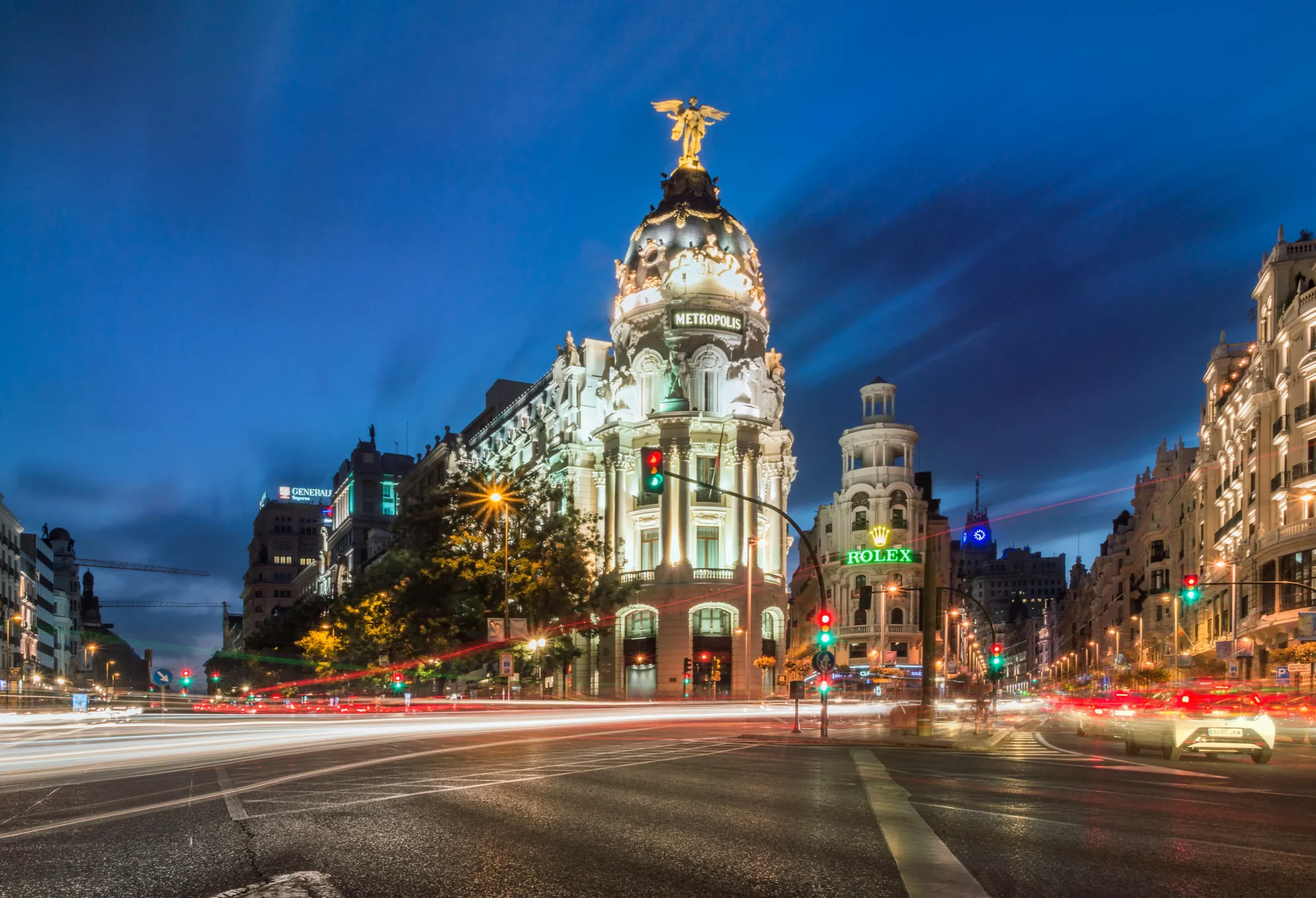
One of Madrid’s most exclusive districts, featuring wide avenues, international shops, and numerous restaurants.
A well-connected residential area with a local vibe, great dining options, and a very attractive neighborhood life.
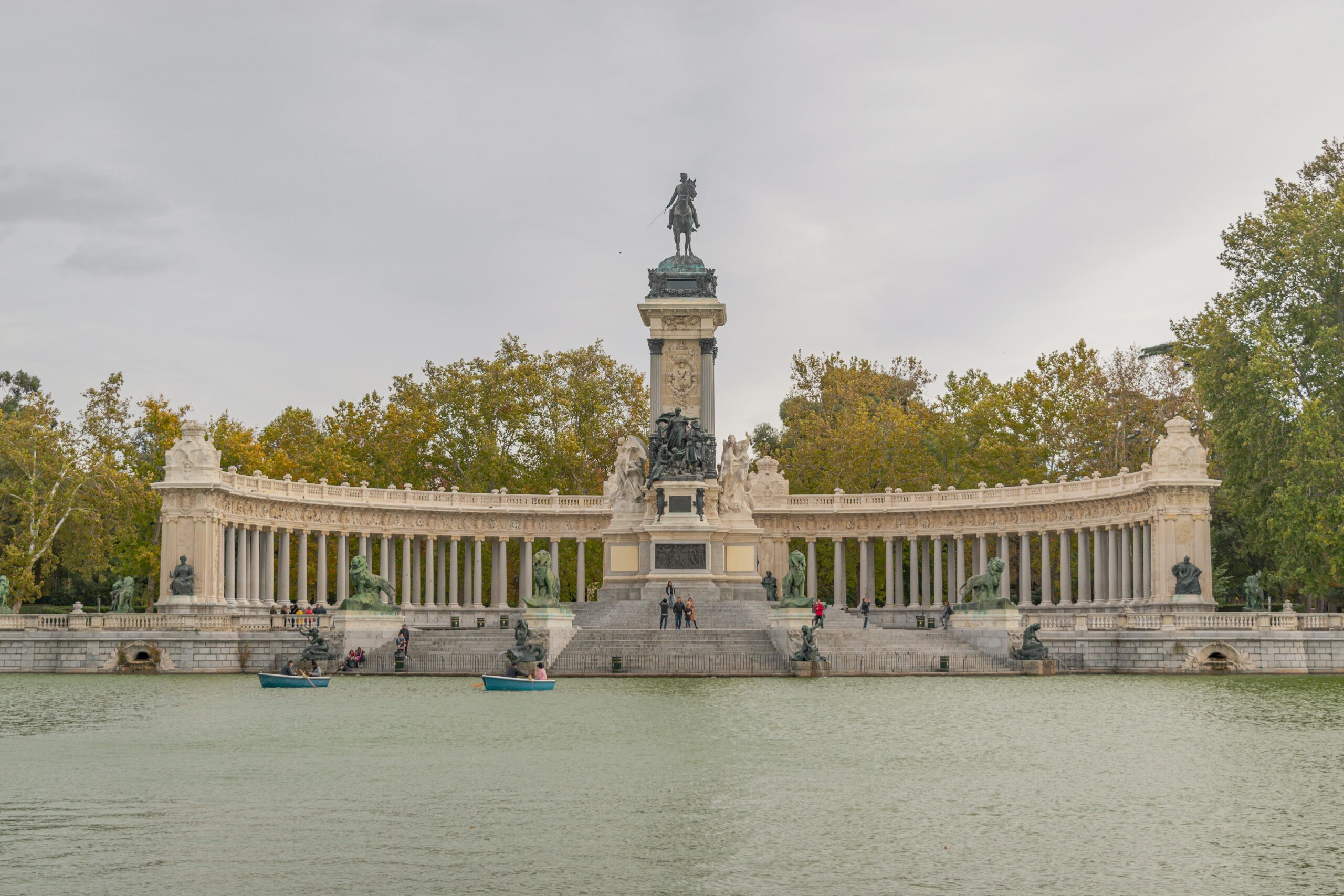
Highly valued for its proximity to Retiro Park and its balance between tranquility and proximity to the city center.
Ideal for those who want to live in the heart of Madrid, surrounded by culture, leisure, and urban life.
A well-connected area, close to business districts and with a quieter atmosphere.
Each neighborhood offers a different experience, so it’s worth exploring them before making a final decision.
The cost of living in Madrid depends on your lifestyle and the area where you live, but in general, it’s more affordable than in other major European capitals.
The main expenses are usually:
Rent typically accounts for the largest portion of the monthly budget, especially in central areas.
For this reason, many expats opt for housing solutions that include utilities and expenses in a single monthly payment, which makes budgeting easier.patriados optan por soluciones de vivienda que incluyan servicios y gastos en una sola cuota mensual, lo que facilita la planificación del presupuesto.
When you arrive in a new city, finding a comfortable place to live can make a big difference in how well you settle in.
Each type of accommodation has different advantages:
Traditional rental
Suitable for long-term stays, though it may involve more rigid contracts and more complex administrative processes.
Hotel or aparthotel
Convenient for very short stays, but less practical for periods of several months.
Vacation rentals
Flexible for short stays, though they don’t always offer the sense of home or stability needed for medium-length stays.
Flex living
An increasingly popular option among expats because it combines fully furnished apartments with flexible contracts and included services.
This type of accommodation allows you to settle in quickly and start enjoying the city without worrying about additional paperwork.
Moving to a new city always involves an adjustment period. Here are some recommendations that can make that process easier:
Madrid is a very open and social city, which makes it easy to meet new people and quickly build a network of contacts.os.
In general, Madrid is a very welcoming city for international professionals. With the right documentation and well-chosen housing, the adjustment process is usually relatively straightforward.
It depends on your lifestyle and budget. Neighborhoods like Salamanca, Chamberí, Retiro, or Chamartín are usually particularly popular among international residents.
The cost of living varies depending on the type of housing and lifestyle, but it’s usually more affordable than in cities like London, Paris, or Amsterdam.
For stays of several months, many expats opt for furnished apartments or flexible housing solutions that make settling into the city easier.
Moving to Madrid can be the start of a very enriching personal and professional chapter. The city offers opportunities, cultural diversity, and a quality of life that attracts more and more people from around the world.
Organizing the first steps properly—from paperwork to housing—can make all the difference in starting this experience with peace of mind.
For those looking to settle in the city in a flexible and comfortable way, apartments designed for medium-term stays have become an increasingly popular option among expats arriving in Madrid.